

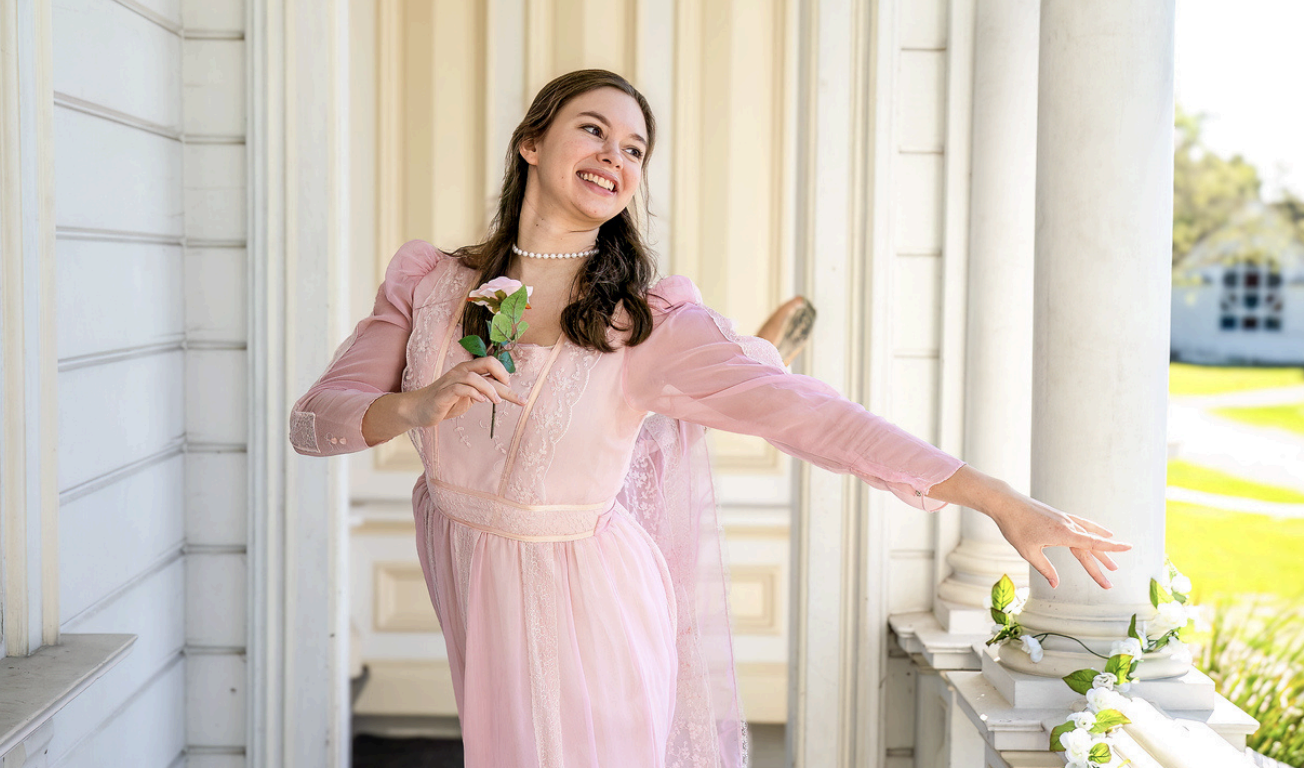
Dancer Spotlight: Isabella Granqvist

Photography by Edie Tyebkhan
1. Tell us a little about your dance background, how long you have been dancing, and what inspired you to pursue ballet.
I’ve been dancing since I was about four years old! I began my ballet training with New Ballet (formerly San Jose Ballet) and joined their Studio Company while I was in high school. Afterward, I attended UC Irvine, where I earned a BFA in Dance Performance and a BA in English.
I’ve always been drawn to ballet because I find it to be one of the most beautiful forms of storytelling. I especially love projects like Little Women Ballet’s full-length and immersive works because they combine my two great passions: dance and literature.
2. Can you describe your favorite dance or scene in Little Women and what makes it unique to you?
It’s hard to choose, but one of my favorite scenes in Little Women Ballet is Meg’s wedding. I’ve had the opportunity to perform this scene both as a member of the corps and as Meg herself, and regardless of the role, the moment always feels so joyful.
I love that everyone comes together onstage to celebrate, and that Marmee shares a special moment with each of her daughters. You can truly feel the love that exists within the March family—and within the Little Women Ballet cast as well.
3. How do you approach telling a story through dance movements and expressions?
With dance storytelling, clear body language and facial expression are key, since we don’t have our voices to explain what we’re feeling. When I portrayed Meg March during the 2025 Spring Immersive, I focused on subtle physical details to show how she evolves over the course of the performance—especially since the audience is so close to the dancers in an immersive setting.
When Meg first meets John Brooke, she’s excited but shy. I would often play with my hands, lower my head, and steal quick glances instead of meeting his eyes, to convey her nervousness. In contrast, during the wedding scene, Meg stands tall, makes direct eye contact, and moves with ease—reflecting her growth and newfound confidence.
4. What message or emotion do you hope to convey to the audience through your performance?
I hope to convey the same love and warmth to audiences that exists so deeply within the March family. Working with Little Women Ballet has introduced me to such a wonderful community of dancers, and I hope the audience feels that same sense of connection and belonging when they see the show.
5. How do you work with the choreographer and fellow dancers to convey the overall narrative of Little Women through your movements?
Emma often explains why she chose certain moments from the novel to highlight and what emotions or intentions drive each scene, which helps inform both our movements and our expressions.
In big group scenes like Sallie’s party or Meg’s wedding, the corps dancers and I also create our own mini backstories to help enrich the world of Little Women. For instance, the more fun we have as guests at Sallie’s party, the more apparent it becomes that Jo isn’t enjoying herself—highlighting how different she and Meg’s dreams truly are. We all work together to bring these relationships to life and tell a cohesive story.
6. What do you hope the audience takes away from the production after watching your performance in Little Women?
Stories like Little Women can sometimes feel distant because they’re set in another time and culture, but the emotions at their core are timeless. I hope audiences see that these characters’ dreams, relationships, and struggles mirror our own—and that they recognize pieces of themselves reflected in the story.
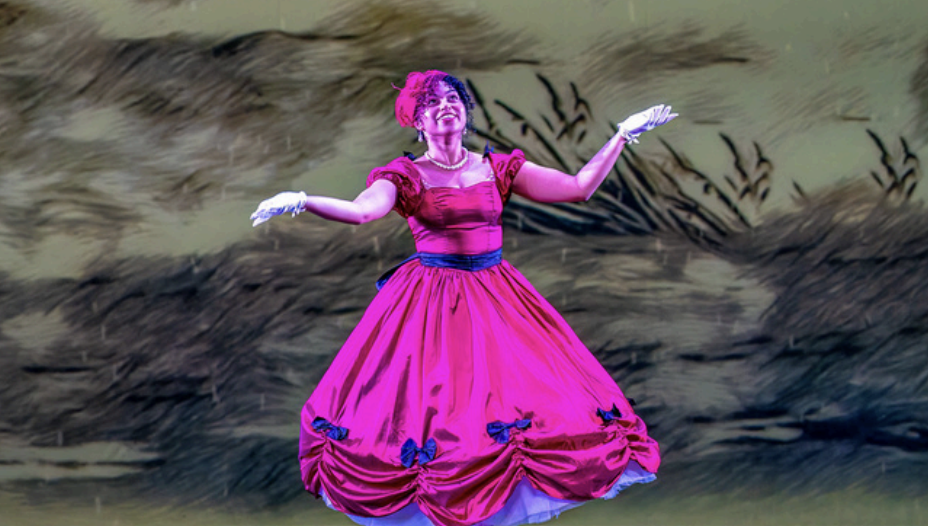
Dancer Spotlight: Odette Finn

Photography by Edie Tyebkhan
1. Tell us a little about your dance background, how long you have been dancing, and what inspired you to pursue ballet.
I’ve been dancing since I was two, after seeing a performance of Swan Lake. Even at that age, I remember being completely mesmerized by the dancers. Soon after, I began my ballet training at Inland Pacific Ballet Academy in California. While I explored other styles of dance over the years, ballet has always held my heart.
Later, I continued my training at Evergreen State College and in Santa Barbara. During university, I had to take a break from all forms of dance due to major injuries. It took several years to recover, but I always knew it was only a pause. For me, dance is more than a form of expression—it is as natural as breathing and as vital as the pulse of the soul. Simply put, I love it, and I cannot imagine a life without it.
2. What are the specific challenges of portraying your character through dance in Little Women?
I love Sallie’s Party—it’s the first full corps de ballet scene in the show, and it gives the audience a wonderful chance to see how Meg and Jo interact with everyone. I really enjoyed dancing in it because the choreography captures both the grandeur of the party and the nuanced desires of each character. You can feel the social energy of the scene while also glimpsing the sisters’ inner worlds.
3. How do you approach telling a story through dance movements and expressions?
For me, storytelling through dance starts with intention—every movement carries meaning. I focus on embodying the emotions behind each phrase so they come across authentically on stage. When I fully believe in the character, expression flows naturally. My goal is always to draw the audience in so they feel as though they are part of the story.
4. What message or emotion do you hope to convey to the audience through your performance?
I hope the audience walks away feeling the heart of the story. More than just watching the steps, I want them to connect with the emotions—whether it’s joy, longing, or tenderness—and hopefully see a reflection of their own experiences within the characters.
5. How do you work with the choreographer and fellow dancers to convey the overall narrative of Little Women through your movements?
Working with Emma is such a joy. Her choreography allows each dancer to shine individually while uniting us as a cohesive ensemble to tell the story. The company works together with such generosity and care—it’s amazing how we support and uplift one another throughout the process. Through the artistry and thoughtfulness of Emma’s vision, the story of Little Women comes alive in a way that feels both powerful and deeply human.
6. What do you hope the audience takes away from the production after watching your performance in Little Women?
I hope the audience leaves with a sense of love, resilience, and sisterhood. Beyond the beauty of the dancing, I want them to feel the humanity of these characters—to be reminded of the strength found in family, in community, and in following one’s dreams.
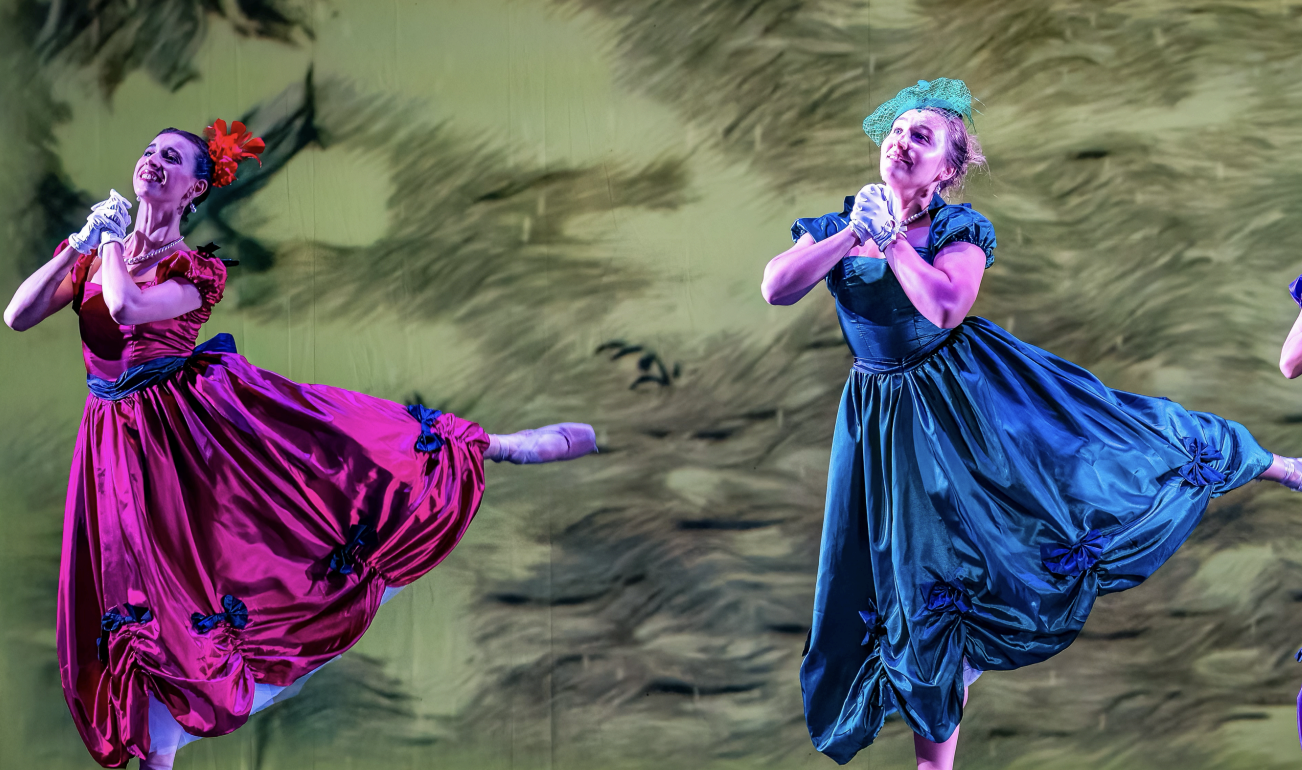
Dancer Spotlight: Makenna Bolton

Photography by Edie Tyebkhan
1. Tell us a little about your dance background, how long you have been dancing, and what inspired you to pursue ballet.
I have been dancing since the age of 3, training in ballet, modern, pointe, jazz, tap, and contemporary. I grew up dancing in Stevens Point, Wisconsin, at Dance Education Center—a collegiate, technique, and performance-based studio with annual productions. As I grew older, I joined DEC The Company and the National Honors Society of Dance Arts. I also traveled across Wisconsin to train at programs such as the UW–Madison Pre-Collegiate Invitational Intensives, Wisconsin Dance Council, Wisconsin Dance Festival, and Showstoppers Convention.
I later continued my education at AMDA College of the Performing Arts in Los Angeles, where I earned my AOS in Dance Theatre. Dance has remained a constant in my life through performances with dance companies, musicals, and my own choreography. Ballet was the first dance style I ever trained in—it became the foundation for everything else I’ve learned. It has not only shaped my technical growth, but also taught me lessons about resilience and artistry. There is something so captivating about looking delicate and effortless on stage, even though the audience may never know how much strength, discipline, and endurance it takes to make that beauty come to life.
2. What are the specific challenges of portraying your character through dance in Little Women?
My favorite dance in Little Women, although I may not be in it, is the duet between Beth and Grandfather Laurence. Their relationship is incredibly moving—Beth reminds him of his late granddaughter who also played the piano, and the two share a unique, tender bond. It reminds me of my own relationship with my grandmother, which makes the scene feel especially personal and poignant.
3. How do you approach telling a story through dance movements and expressions?
I focus on how a story makes me feel rather than what it makes me do. Only by connecting with a piece emotionally—through both the mind and heart—can we begin to visually express its deeper meaning.
4. What message or emotion do you hope to convey to the audience through your performance?
I never want the audience to feel that they must experience a specific emotion or follow a particular interpretation. Art isn’t about rules—it’s vast, messy, and unpredictable, yet it can also be calm and beautiful. Through my dancing, I hope the audience takes away exactly what their heart and soul need in that moment. My wish is that they discover something extraordinary within themselves and feel inspired to continue exploring that sense of wonder through art.
5. How do you work with the choreographer and fellow dancers to convey the overall narrative of Little Women through your movements?
Emma gives her dancers the tools and choreography needed to bring her vision to life while allowing us the creative freedom to explore and personalize our characters. Working alongside her and my fellow dancers, there’s a deep sense of trust—each of us contributes to the storytelling in a way that feels true to our interpretation, and together we bring Emma’s vision to the stage with heart and authenticity.
6. What do you hope the audience takes away from the production after watching your performance in Little Women?
I hope they leave with a sense of gratitude for the small but beautiful blessings in their lives—those moments we often take for granted. Little Women highlights how essential love, family, and friendship are to the human experience. Personally, it has reminded me that I am rich not in money, but in blessings: my supportive family, my caring friends, the chance to work in the performing arts, and the freedom to do what I love. I hope everyone who watches Little Women Ballet feels that same warmth and childlike joy that fills me every time I step onto the stage.
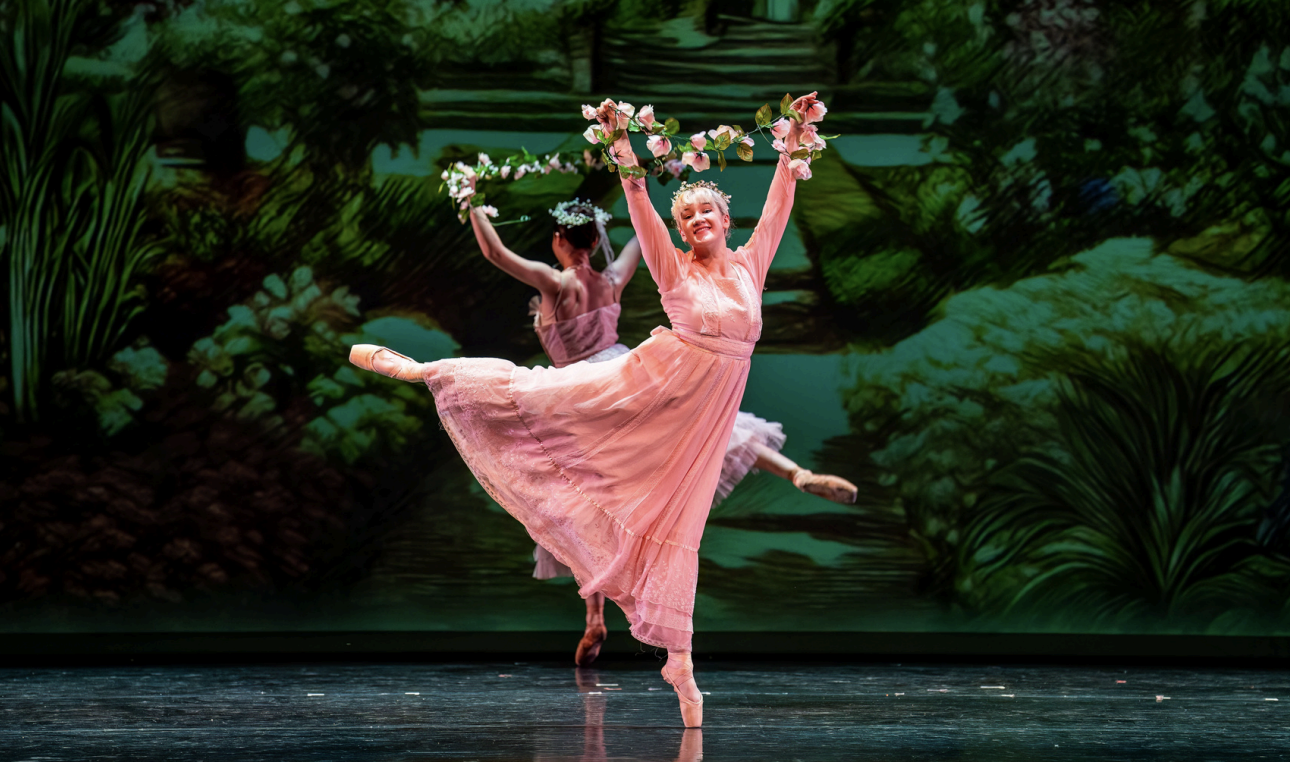
Dancer Spotlight: Betty Moler

Photography by Edie Tyebkhan
1. Tell us a little about your dance background, how long you have been dancing, and what inspired you to pursue ballet.
I have been dancing since I was 3 (so basically as long as I can remember). As a kid, I tried many different activities but always ended up gravitating back to ballet—I’ve always loved how pretty and graceful I feel doing it. It’s also the hardest thing I’ve ever done, and that challenge kept me coming back to class every day.
I started my training in the Bay Area at Contra Costa Ballet, then went to Pacific Ballet Conservatory in middle school. In high school, I attended the American Ballet Theatre William J. Gillespie School. I later pursued a degree in dance at Texas Christian University, where I trained in both ballet and modern dance. After graduating, I wasn’t sure what part of the dance field I wanted to pursue—but just like when I was a kid, I found myself gravitating back to ballet. It feels like home, and I couldn’t be happier to have found that again through Little Women Ballet.
2. What are the specific challenges of portraying your character through dance in Little Women?
My favorite scene in Little Women is Meg’s wedding scene. There’s something very special about almost the entire cast being on stage together—everyone is so deeply committed to their characters that it truly feels like you’re immersed in the world of the story.
I loved watching everyone dance during this scene; my reactions were always genuine because I was so impressed and amused by what was happening around me. The end of the wedding scene is especially moving—there’s a section where we’re all clapping together before breaking into dance, and I would get chills feeling the energy of everyone in the room working as a team to bring the moment to life.
3. How do you approach telling a story through dance movements and expressions?
I approach storytelling in dance by first isolating the emotion I’m trying to convey and allowing myself to feel it genuinely. Then, I let both the choreographed and spontaneous movements come from that core emotion. For example, anger might show through sharper, stronger movements, while sadness often appears in softer, more solemn moments.
4. What message or emotion do you hope to convey to the audience through your performance?
I hope the audience feels the connection we share as a cast and becomes truly invested in the story and its characters. As a corps member, I love being part of the world-building—the creation of the environment the March sisters live in. It’s a joy to help bring that world to life and share it with the audience.
5. How do you work with the choreographer and fellow dancers to convey the overall narrative of Little Women through your movements?
Emma always does a fantastic job of setting the scene and explaining the story behind each moment. What I appreciate most about this company is that everyone is wholeheartedly committed to their characters and to the story. When everyone gives their heart, the narrative naturally flows through us as a cohesive company.
I’m always open to Emma’s notes and love incorporating her ideas into my dancing. The narrative is essential to this ballet, so I’m constantly looking for ways to support and enhance it through collaboration with my fellow dancers.
6. What do you hope the audience takes away from the production after watching your performance in Little Women?
I hope the audience is enchanted and touched by Little Women. There’s a magic to live ballet that is never lost on me, and if the audience can feel that energy emanating from the stage—if they can be transported by the dancers and the story—then I believe we’ve given a truly successful performance.
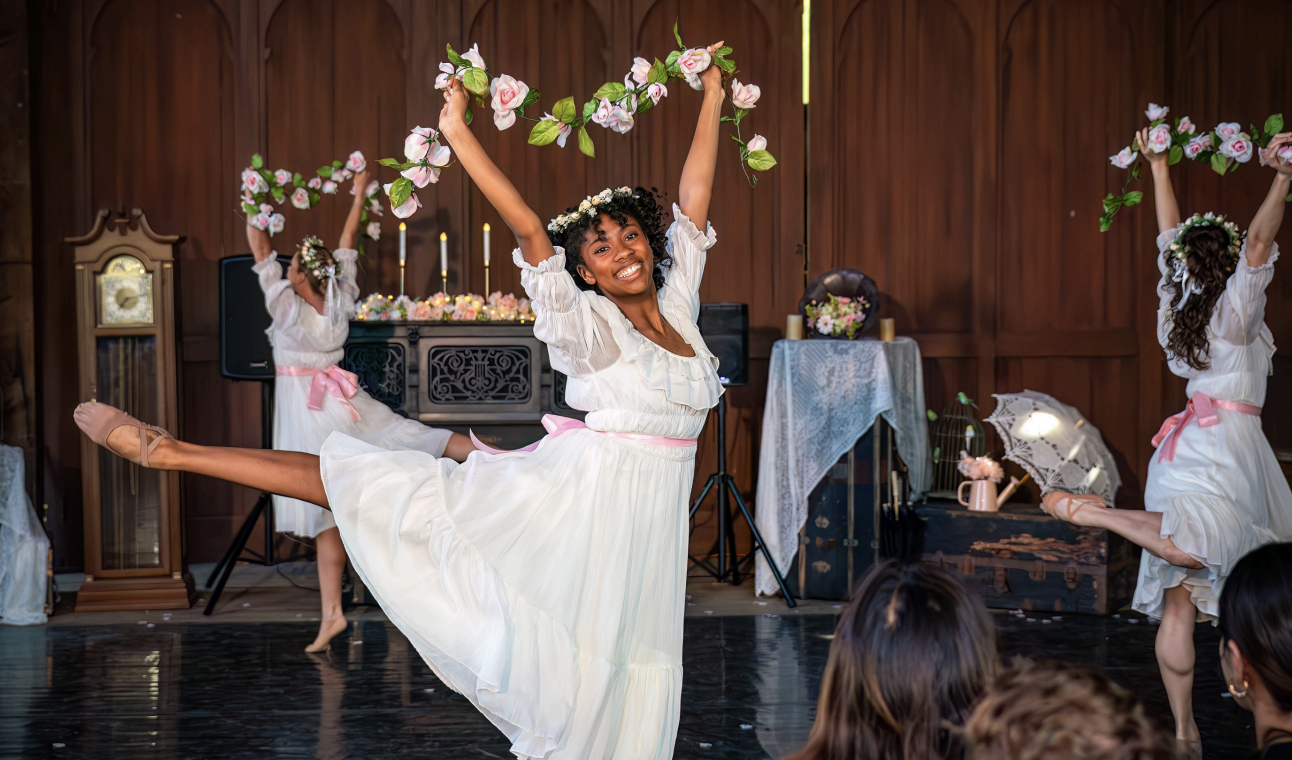
Dancer Spotlight: Madison Marsh

Photography by Edie Tyebkhan
1. Tell us a little about your dance background, how long you have been dancing, and what inspired you to pursue ballet.
I started dancing when I was 3 years old at Vonder Haar Center for the Performing Arts, and then started dancing with Pasadena Civic Ballet when I was 10 years old. In 2021, I was accepted into the Commercial Dance Conservatory at California School of the Arts – San Gabriel Valley (CSArts) and continued my high school education there. As a kid, dance was a fun activity to pass the time during the day, but as I grew up, dance turned into something that I could not live without. Pursuing ballet was something that allowed me to feel connected to myself and my peers. Ballet became a medium for me to feel and express the emotions that choreography conveys.
2. What are the specific challenges of portraying your character through dance in Little Women?
My favorite scene from Little Women is the Christmas scene at the end of the show. Throughout the scene, it’s so pivotal how close the characters are as a family, while it is also evident that there is something missing that once made their family whole. This scene is such a wholesome way to end the show—concluding the part of the story that needs to be told, while knowing the characters have more adventures to come.
3. How do you approach telling a story through dance movements and expressions?
In preparation for any character, I first try to get to know them as people—their mannerisms, thoughts, and motivations. This helps me see aspects of the character within myself and truly become them. That feeling of connection allows me to interact and react to others on stage more intentionally, making the storytelling feel natural and authentic.
4. What message or emotion do you hope to convey to the audience through your performance?
Through my performance, I want to convey the feeling of connection. Throughout the ballet, my character Amy feels intense emotions toward those around her. With this love, we see that she will always feel deeply connected to the people she loves. In Little Women, we get to explore how Amy and the other characters are always tied together—through love, family, and growth.
5. How do you work with the choreographer and fellow dancers to convey the overall narrative of Little Women through your movements?
The choreographer does a great job of telling us why we are doing something and what it impacts, while still giving us the freedom to make the narrative our own. I love paying close attention to how my fellow dancers interpret their characters—it allows me to shape Amy’s reactions and movements depending on who she’s interacting with. Together, with the choreographer and the cast, we create something that blossoms and evolves each time we perform.
6. What do you hope the audience takes away from the production after watching your performance in Little Women?
I hope the audience takes away that representation for women is something that deserves to be explored more deeply in stories. Because of this ballet, I’ve been able to play a character I might not normally have the chance to portray. I’ve been given an opportunity to be part of an amazing community, and I hope the audience can feel that this is not only a beautiful production—but also a family.
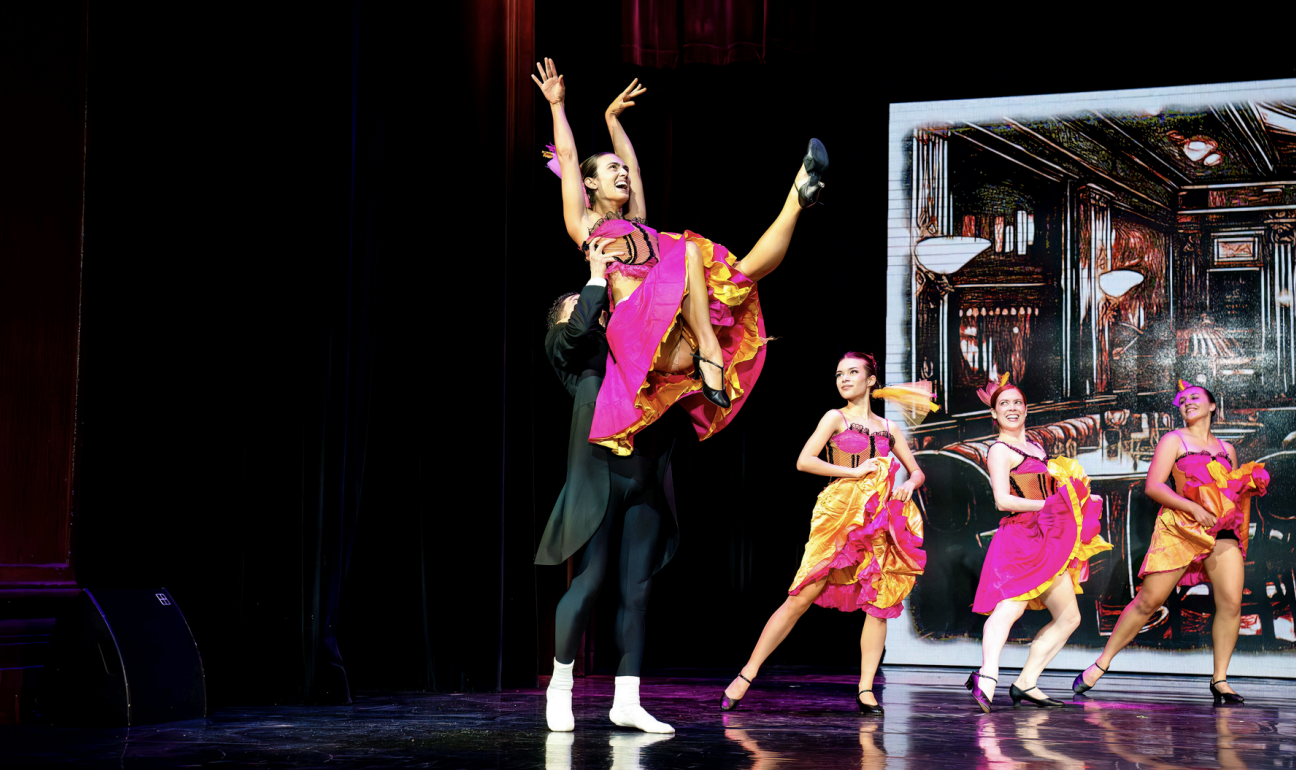
Dancer Spotlight: Hanna Peddicord

Photography by Edie Tyebkhan
1. Tell us a little about your dance background, how long you have been dancing, and what inspired you to pursue ballet.
I started dancing when I was three years old at Centre Pointe Performing Arts in Baltimore, MD. I trained in a variety of styles, but have been most influenced by contemporary and ballet movement. In 2021, I received my Bachelor of Fine Arts in Dance from Florida State University.
Since moving to Los Angeles, I’ve had the opportunity to dive into the commercial dance world—performing in music videos and short films—while also joining Royal Flux and Little Women Ballet as a company member. I’m also a certified guide at Julianne Hough’s studio, KINRGY.
I love the rigor, beauty, and strength of ballet, but for a long time, I resisted pursuing it because I felt boxed in by the idea of being a “ballerina.” I knew people meant it kindly when they said I could or should pursue it, but fear of not being good enough—and of the darker sides of ballet culture—kept me away for years. It wasn’t until I began to see movement as a mutual exchange, one that embraces individuality and cultivates authenticity, that I fell back in love with ballet, just like I did when I was a kid.
2. What are the specific challenges of portraying your character through dance in Little Women?
I love the duet between Jo and Laurie—it’s even one of my favorite scenes in the movie. As a performer, it allows me to explore a wide range of emotions in a short period of time, which can be challenging but also deeply rewarding.
We repeat some of the steps throughout the duet, but the tone gradually shifts from playful to mournful. Without a word spoken, the audience witnesses the full evolution of their relationship. It’s also such a gift to have a partner like Chris, who plays Laurie—he’s an incredible collaborator and makes the scene come alive.
3. How do you approach telling a story through dance movements and expressions?
For a narrative-heavy performance like Little Women, I always come back to the questions: “Who is Jo?” “What parts of her are within me?” “Why does she feel empowered to make these choices?” and “How would this feeling translate into movement?”
As a dancer, I’ve often leaned into a more graceful, airy movement quality. But playing Jo has given me the freedom to be more grounded, raw, and instinctive in my dancing—less polished and more human.
4. What message or emotion do you hope to convey to the audience through your performance?
I hope my performance allows the audience to connect to Jo’s imperfections while also seeing the beauty in the process of becoming who we are. To me, Little Women is a story about growing up—about all the beautiful, messy, and sometimes heartbreaking moments that shape us along the way.
5. How do you work with the choreographer and fellow dancers to convey the overall narrative of Little Women through your movements?
When working with Emma and the cast, we focus on the intention behind each scene, tracing the emotional throughlines of every character and their relationships as the story unfolds. There’s a balance between honoring the precision of the choreography and staying true to how each character lives and breathes within our own bodies.
6. What do you hope the audience takes away from the production after watching your performance in Little Women?
I hope the audience leaves not only feeling the warmth of Little Women and the strength of ballet, but also reminded of the importance of connecting with those we love—and even those we don’t. Time is finite, and this story reminds us that we’re never alone in this life.
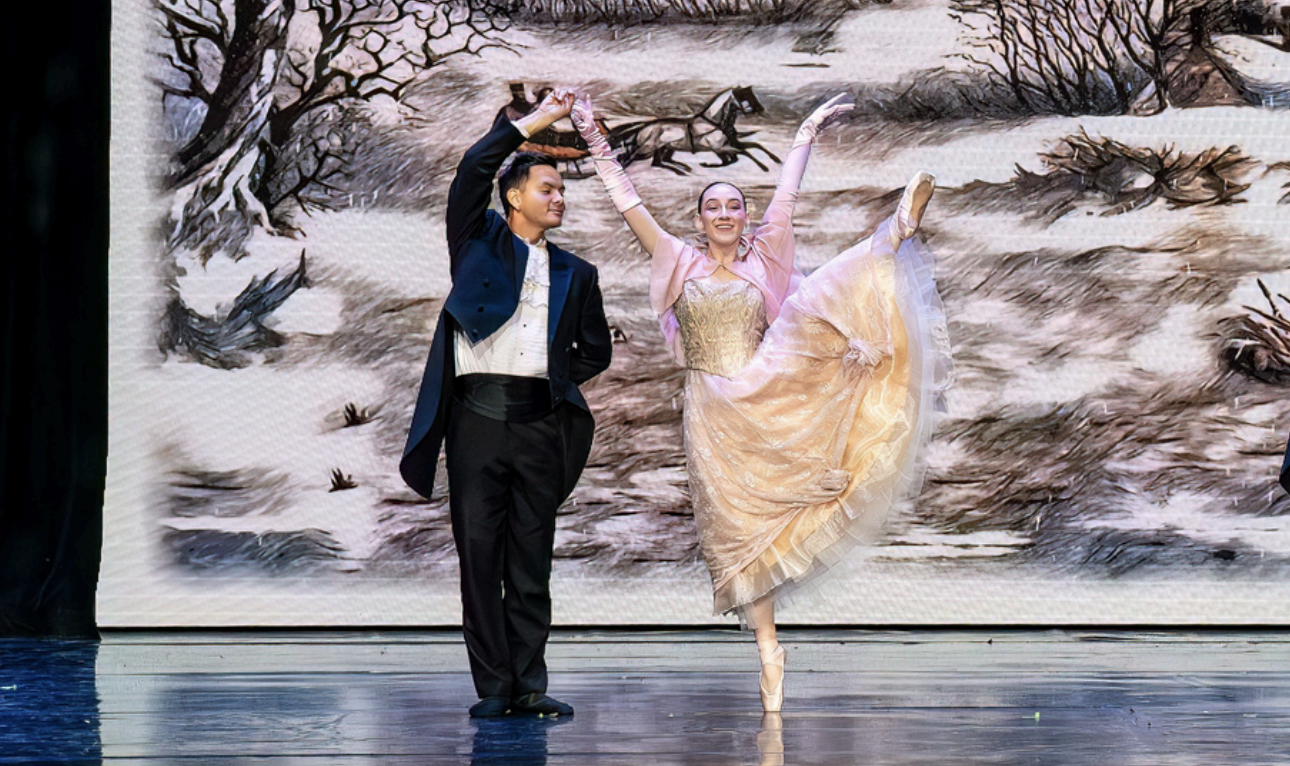
Dancer Spotlight: Kassandra Vogel
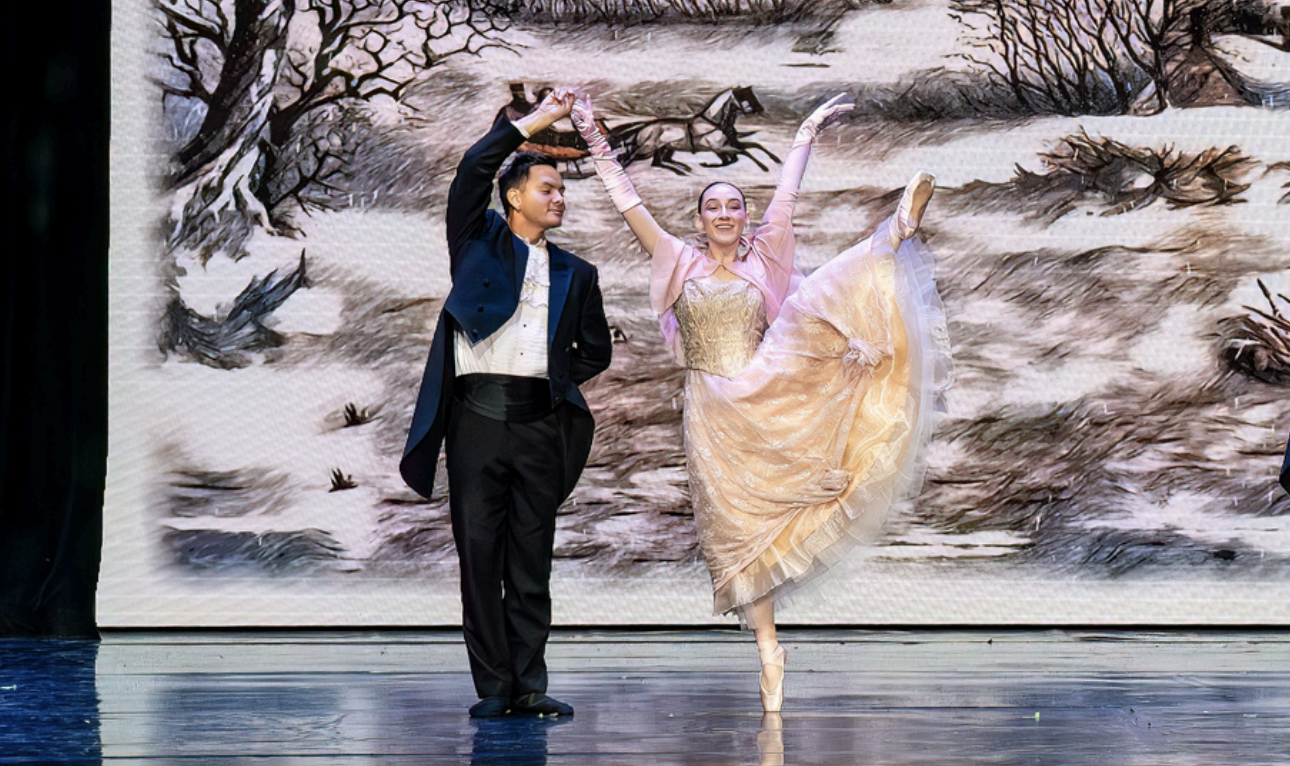
1. Tell us a little about your dance background, how long you have been dancing, and what inspired you to pursue ballet.
I began dancing at California Ballet School when I was three years old, so ballet has sort of always been a part of my life. But I think my real love for it came from the days I spent sitting at the front of the studio, watching the professional dancers rehearse. Seeing ballet up close and personal — hearing their breath, witnessing the sweat and hard work that went into each rehearsal — made me admire it deeply.
I’ve always been astonished by how ballet dancers can take something so physically demanding and turn it into something so effortless and ethereal. I followed that love for dance to UC Irvine, where I continued pursuing ballet while also exploring a newfound passion for contemporary ballet choreography.
2. What are the specific challenges of portraying your character through dance in Little Women?
My favorite scene in Little Women has to be the waltz at Sally’s party. It’s the first time in the ballet that the entire corps de ballet comes together, and the energy on stage is absolutely palpable. Everything — from the first note of the music to the luscious ballgowns and shimmering backdrop — demands your attention. It’s a party!
I loved dancing in this scene because Emma’s choreography perfectly embodies the music and flows so naturally in the body. There’s also a touch of humor sprinkled throughout, which sets a lighthearted tone for the rest of the ballet and brings a playful energy that carries through the performance.
3. How do you approach telling a story through dance movements and expressions?
Storytelling as a corps de ballet dancer is a little different since you’re not always there to push the plot forward, but rather to fill out the world and bring each moment to life. Our role is special — we get to wear many hats throughout the performance, taking on different personas or even embodying abstract ideas.
I believe storytelling for the corps is very community-based, since so much of our characters are developed through small conversations and gestures with one another in the background of the main storyline. What the audience may not realize is that we are actually communicating throughout the scene — building side stories and complex relationships that make the world onstage feel authentic and alive.
4. What message or emotion do you hope to convey to the audience through your performance?
My hope is to convey the joy and bliss I feel while performing in this ballet. Everything about Little Women is so beautifully heartfelt, and I hope the audience can not only witness that joy, but truly feel it for themselves.
5. How do you work with the choreographer and fellow dancers to convey the overall narrative of Little Women through your movements?
Emma pays incredible attention to detail in every aspect of the ballet. While creating the production, she had to consider how numerous storylines and sections of choreography would blend together harmoniously — almost as if she were composing a symphony.
In the early stages of rehearsal, the corps and main characters worked separately. Once we began rehearsing together, it felt like each of us was a meticulously crafted piece of a larger puzzle finally coming together. Emma’s choreography became a platform for us to build from, allowing for authentic connections between characters. Even something as simple as eye contact or a subtle gesture helped shape our relationships onstage and bring the narrative to life.
6. What do you hope the audience takes away from the production after watching your performance in Little Women?
I hope the audience leaves with that warm, nostalgic feeling that both ballet and Little Women evoke. The story itself is already so lovely, but when it’s expressed through the language of dance, it becomes all the more powerful and deeply moving.
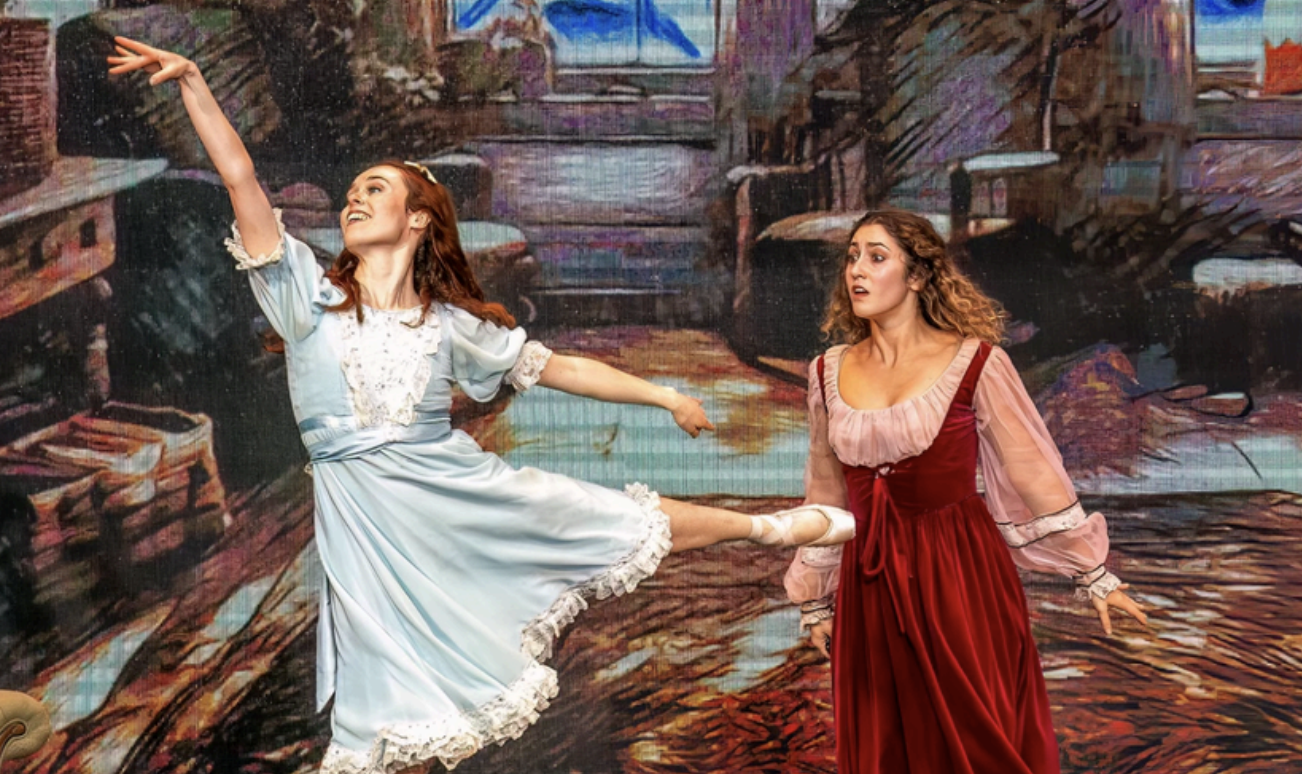
Dancer Spotlight: Catie Faye Smith
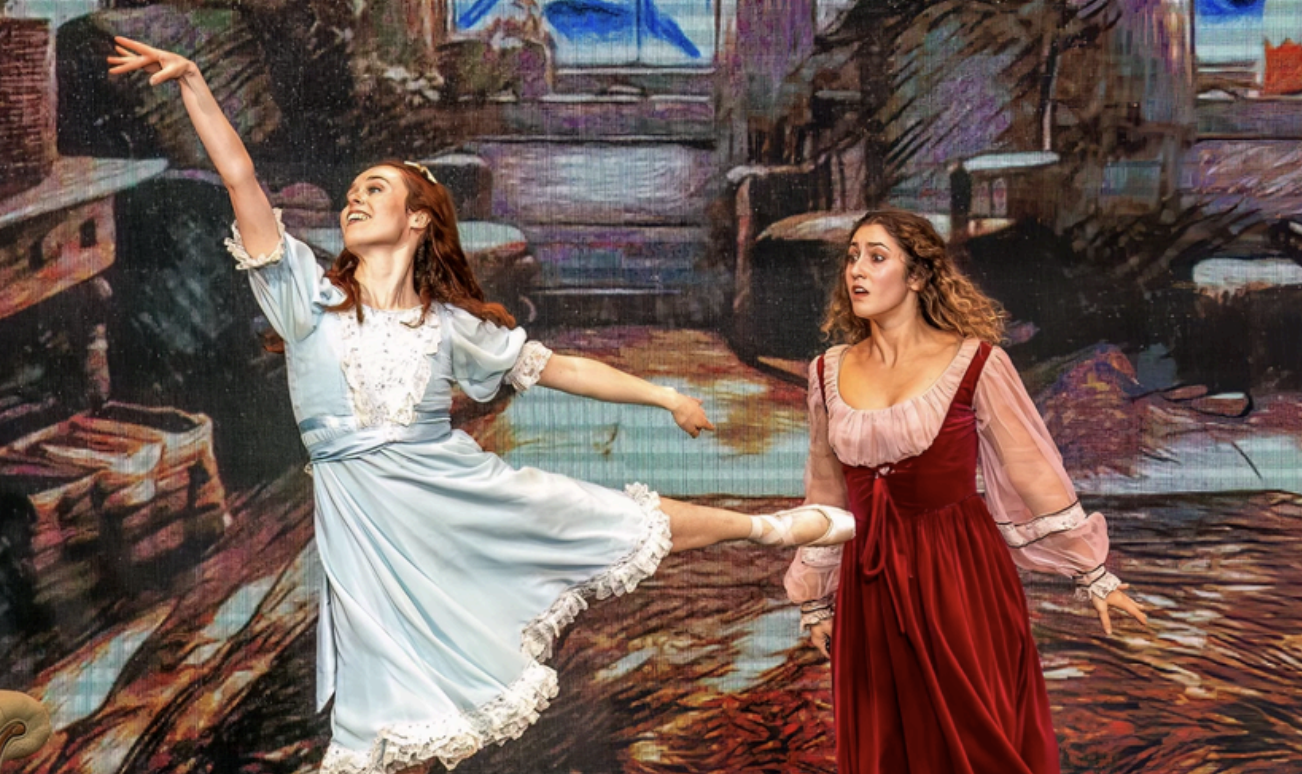
1. Tell us a little about your dance background, how long you have been dancing, and what inspired you to pursue ballet.
I’ve been dancing since I was three years old. Of course, there’s the pure joy of movement and the beautiful ideals of ballet specifically — but if I’m honest, I was also drawn to the glamour of being an artist. The ritual of preparing for class or a character, all those little moments that build up to a performance, have always fascinated me.
2. What are the specific challenges of portraying your character through dance in Little Women?
Amy is a very vocal person — she doesn’t “go quietly into that good” anything. Yet she’s also motivated to come off as “lady-like.” There’s a constant push-and-pull to her personality that’s fun to explore through movement.
3. Can you describe your favorite dance or scene in Little Women and what makes it unique to you?
I enjoy Amy’s “mad solo.” It’s a private moment that I get to share with the audience. Emma gave me great imagery cues and a bit of freedom to decide how to telegraph those emotions, which makes the scene feel very personal and alive each time.
4. How do you approach telling a story through dance movements and expressions?
It’s important to understand a character’s mannerisms — how they move and behave apart from the “script” of the choreography. Once I connect with that, I find my own musicality that matches the energy and rhythm of who she is in that moment.
5. Have you found similarities between yourself and the character you portray in the ballet?
Amy has ambition, but unlike Jo, she’s very socially conscientious about the standards of her society. This makes her a little neurotic, especially when she’s younger. That growth journey — from self-consciousness toward confidence — is definitely something I can relate to.
6. What message or emotion do you hope to convey to the audience through your performance?
My hope is always to be sincere within the world of my character — to make Amy’s feelings, choices, and flaws feel real.
7. How do you work with the choreographer and fellow dancers to convey the overall narrative of Little Women through your movements?
Emma’s way of telling this story is very earnest and heartfelt. Especially in my scenes with Chris, we focus on preserving those intentions and emotional truths — and try not to get too caught up in purely technical concerns.
8. What do you hope the audience takes away from the production after watching your performance in Little Women?
I hope people are inspired to read more, see more theater, and watch more ballet! Ballet — and art in general — has so much to offer in all the things that matter most: peace, love, and hope.
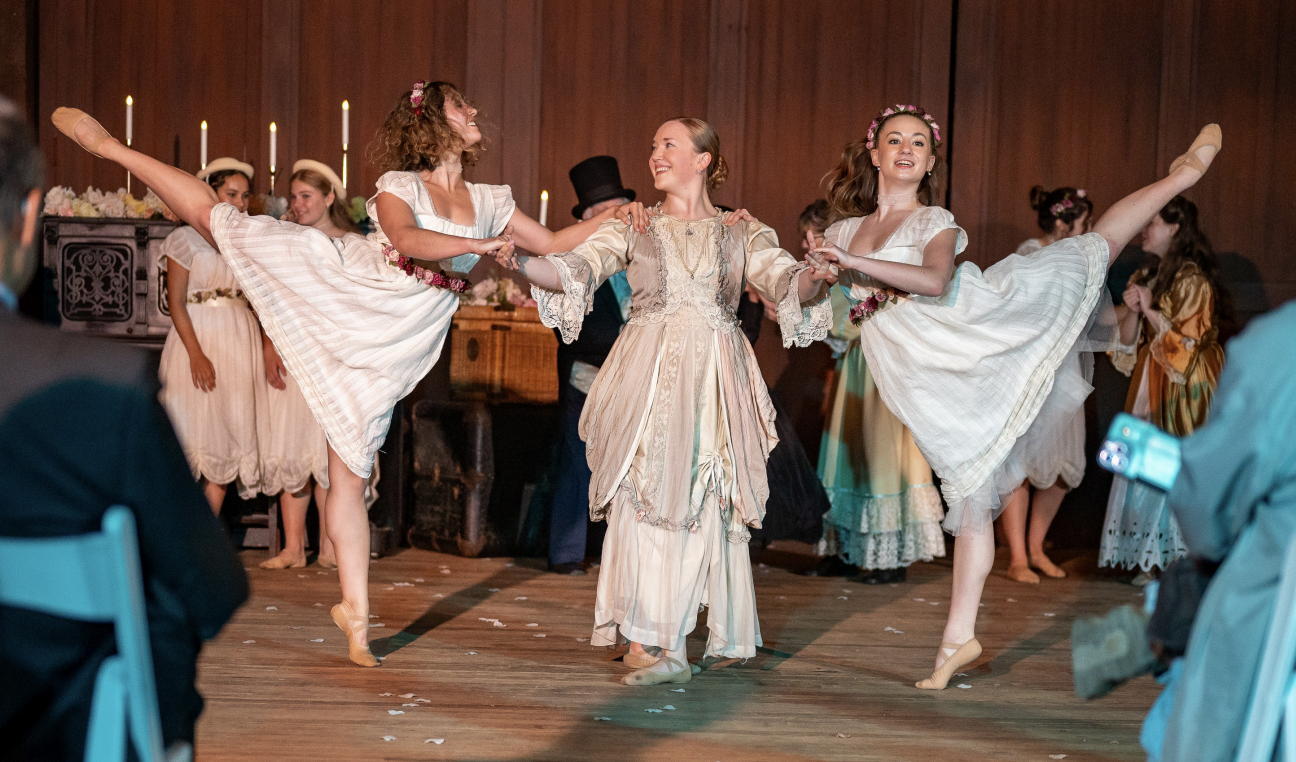
Dancer Spotlight: Ludmila Malakhov

Photography by Melissa O’Gara
1. Tell us a little about your dance background, how long you have been dancing, and what inspired you to pursue ballet.
When I was four, I saw a video of the Mariinsky Ballet performing Sleeping Beauty and instantly fell in love with ballet. I was always particularly interested in the storytelling aspect — how much emotion and meaning you can express without words, only through movement. Thankfully, my parents recognized that joy and connection, and they supported me in pursuing ballet. I have been fortunate to perform classical and contemporary works, choreograph, and now have been teaching ballet for over a decade.
2. What are the specific challenges of portraying your character through dance in Little Women?
I play Marmee, who is very interesting and multifaceted as a character. As the matriarch of the March family, many of her interactions with the sisters impart life lessons derived from her own experiences. Although we see Marmee as a wise and resilient head of the family, there are also moments of vulnerability and limitation. The challenge lies in finding a way to show not just the depth of her love for her daughters, but also the depth and growth of her own character.
3. Can you describe your favorite dance or scene in Little Women and what makes it unique to you?
I love the Christmas scene! It beautifully captures the love shared within the family during the holidays and explores how those dynamics change over the years. There is so much storytelling within this section — a resounding reminder of what remains most important in life.
4. How do you approach telling a story through dance movements and expressions?
I try to think about how the story would be told and received in everyday interactions, then build off those natural movements and expressions to make them feel more grounded. I stay very present throughout each scene, responding to other characters’ expressions and cues to make the performance feel like a conversation rather than a choreographed sequence. Our cast includes such wonderful artists, which makes it easy to play off each other’s storylines in real time.
5. Have you found similarities between yourself and the character you portray in the ballet?
Marmee has a strong connection with Jo, as she sees many aspects of herself in her — especially her temper and fire. Over time, Marmee learns to overcome her weaknesses while allowing Jo to see her own shortcomings so she can find her path. This resonates with me, as we’re all constantly learning and growing, one day at a time.
6. What message or emotion do you hope to convey to the audience through your performance?
I hope to convey the never-ending depth of love that Marmee has for her daughters, and how that love shapes them into who they become as adults.
7. How do you work with the choreographer and fellow dancers to convey the overall narrative of Little Women through your movements?
We spend hours in rehearsal not just refining movement and musicality, but also our interactions with each other. We begin with a clear narrative of what each scene should portray, then gradually build nuances through expression, timing, and subtle gestures until it feels true to the story. Every performance is slightly different — sometimes a shift in timing or emotion changes the dynamic entirely, and that living quality keeps the story vibrant.
8. What do you hope the audience takes away from the production after watching your performance in Little Women?
I hope they leave the theater feeling inspired by the power of family and the strength that comes from supporting one another. The story celebrates the resilience of women and the pursuit of dreams, themes that still resonate deeply today. Ultimately, I hope audiences are reminded that love, hard work, and self-determination have the power to enrich and change our lives for the better.
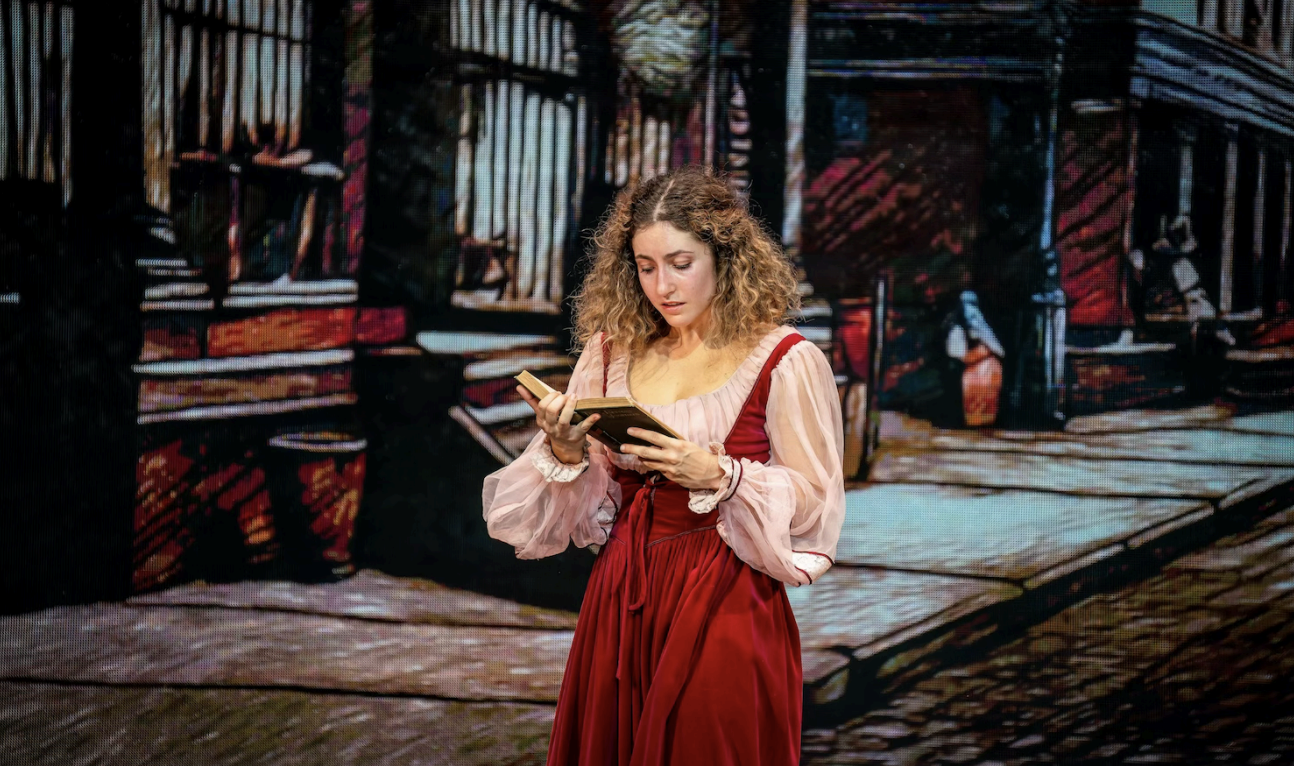
Dancer Spotlight: Sophia Moritz

1. Tell us a little about your dance background, how long you have been dancing, and what inspired you to pursue ballet.
I’ve been dancing for as long as I can remember! Technically, I began around the age of four—it has always been a fundamental part of my life. My ballet journey truly began when I trained at Pasadena Civic Ballet (PCB) under the guidance of extraordinary teachers who instilled in me not only a strong technical foundation but also a deep appreciation for the artistry of the form.
What inspired me to pursue ballet is the unique blend of physicality and expression it offers. Ballet is both a rigorous athletic discipline and a profound art form. It’s the storytelling, the emotional depth, and the ability to connect with an audience through movement that made me fall in love with it. My time at PCB laid the groundwork for that love, teaching me not only the technical aspects of dance but also the importance of dedication, community, and passion in pursuing something meaningful.
2. What are the specific challenges of portraying your character through dance in Little Women?
Portraying Jo March through dance comes with unique but exciting challenges! Jo is a deeply multi-faceted character with a vibrant personality and a journey that demands both emotional and physical versatility.
For me, one of the biggest challenges is balancing her strength and vulnerability. Jo is fiercely independent, ambitious, and headstrong, but she also has moments of doubt and emotional sensitivity—particularly when navigating her relationships and aspirations. Capturing these different sides of her story is a rewarding challenge as an artist. This dichotomy is what makes Jo so real and relatable, and I strive to express that duality through my movement quality. The brilliance of Emma’s choreography definitely helps bring that balance to life.
3. Can you describe your favorite dance or scene in Little Women and what makes it unique to you?
This is so hard to answer because I truly love almost every scene I get to dance in as Jo!
One special moment I always enjoy is the scene where Jo first meets Laurie. It’s lively, full of curiosity and energy, perfectly mirroring their instant connection. The choreography is playful and spirited, with fast-paced, dynamic movements that capture Jo’s boldness and Laurie’s charm. There’s a sense of excitement in their interaction that sets the tone for their friendship.
Another scene that’s particularly special to me, though very emotionally challenging, is the final duet between Beth and Jo. The choreography speaks volumes without words—the movements are delicate, filled with aching gentleness that reflects the profound bond between the sisters. In my last performance, I got to dance this duet with my actual sister, Kat. It was such a meaningful and unforgettable experience.
4. How do you approach telling a story through dance movements and expressions?
Telling a story through dance is about blending movement, emotion, and intention to create a narrative that truly resonates with the audience.
My approach begins with deeply understanding the character—what drives them, their relationships, and how they evolve throughout the story. From there, I focus on the nuances: my connection to the music, the other characters, and the subtle physical details that communicate emotion. My goal is to bring the audience into the character’s world by being fully present and intentional in every movement.
5. Have you found similarities between yourself and the character you portray in the ballet?
Big time, yes!! My family and friends always joke with me about it. I’ve found so many similarities between Jo and myself, which makes portraying her an incredibly rewarding experience.
Her determination to carve her own path—even when it defies expectations—resonates deeply with me. I also connect with Jo’s love for her family and her complex relationships with those closest to her. Her bond with her sisters, especially the protective and nurturing role she takes on, mirrors the relationships I value in my own life. This emotional depth gives her story so much meaning and makes performing her journey feel very personal.
6. What message or emotion do you hope to convey to the audience through your performance?
Through my performance as Jo March, I hope to convey a message of resilience, individuality, and the power of following your passions.
Jo’s journey is about embracing who you are, even when that means challenging tradition or facing uncertainty. I want the audience to feel her determination and courage—and to be inspired to pursue their own dreams with that same fearless spirit.
7. How do you work with the choreographer and fellow dancers to convey the overall narrative of Little Women through your movements?
Collaboration with the choreographer and fellow dancers is essential to bringing Little Women to life. With Emma, I focus on understanding her vision for the story and how Jo fits within the larger emotional landscape. We work closely to refine movements so they not only express Jo’s personality but also align with the ballet’s overall tone and flow.
Rehearsing with the cast is equally important because Little Women is so deeply rooted in relationships. Whether it’s sharing playful moments with the sisters, performing emotional duets like those with Beth, or building tension in group scenes, we rely on one another to communicate the dynamics that drive the story. Attention to timing, expression, and connection ensures our performances feel authentic and heartfelt.
8. What do you hope the audience takes away from the production after watching your performance in Little Women?
I hope the audience leaves Little Women feeling inspired by its messages of love, resilience, and staying true to oneself. Jo’s journey is a reminder that it’s okay to dream big and challenge norms, even when the path isn’t easy.
I also hope they feel the depth of the relationships within the story—especially the unbreakable bond between the March sisters. The ballet captures both the joy and heartbreak of family life, and I want those emotions to resonate, reminding everyone of the importance of connection and support in their own lives.
My personal goal is for the audience to walk away with a sense of hope and reflection. Life is filled with challenges and change, but like Jo, we can find strength in our relationships, our dreams, and our determination to move forward. If audiences leave feeling both moved and inspired, then we’ve accomplished something truly special.

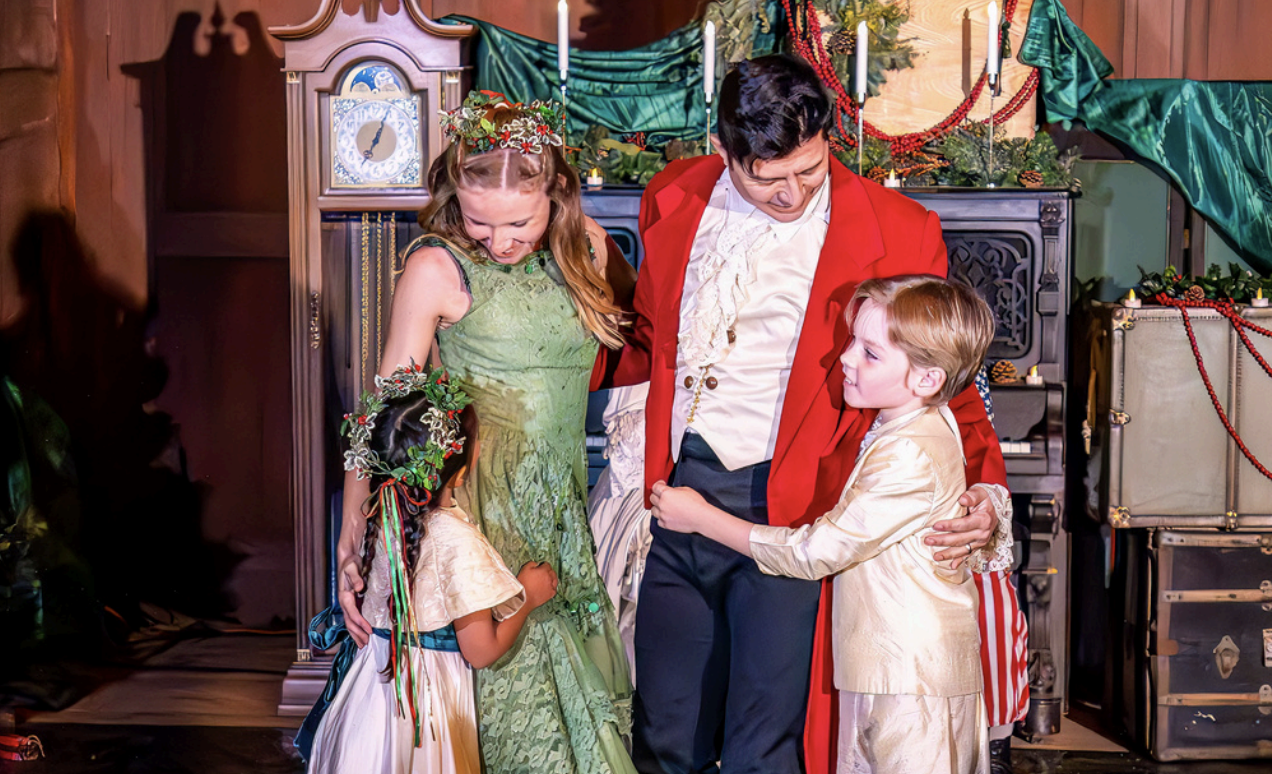
Dancer Spotlight: Jill Oates

1. Tell us a little about your dance background, how long you have been dancing, and what inspired you to pursue ballet.
I have been dancing for 21 years, since I was seven years old, primarily focusing on ballet. I trained with Studio C, Vacaville Ballet, Sacramento Ballet, and Deane Dance Center before attending UC Irvine, where I double-majored in Dance Performance and Biology. I danced with Central West Ballet Company for five years before moving to Southern California.
I was inspired to pursue ballet because of the joy I found in constantly striving to become a better version of myself each day, and the satisfaction of being able to communicate without words.
2. What are the specific challenges of portraying your character through dance in Little Women?
Portraying Meg was initially challenging because I didn’t naturally relate to her love of the finer things in life. That’s not something that’s important to me personally, so I had to really use my imagination to understand where those feelings came from. Once I found that connection, I was able to express her emotions and desires more genuinely.
3. Can you describe your favorite dance or scene in Little Women and what makes it unique to you?
My favorite scene in the ballet is when Father comes home during the Autumn Festival. This moment is filled with so much joy and love between the family. They’re still at an age where they spend most of their time together, and the closeness of their bond is really special to portray.
4. How do you approach telling a story through dance movements and expressions?
Telling a story through movement is one of the most rewarding ways to dance. I start by deeply understanding the character and their motivations within the story. Then I think about what movement qualities, timing, and energy best express those emotions. It’s about truly feeling and embodying the narrative—not just acting it out, but living it through each step.
5. Have you found similarities between yourself and the character you portray in the ballet?
While I don’t necessarily share Meg’s appreciation for luxury, I deeply relate to her love and care for her family and sisters. Like her, I prioritize my family and try to follow my heart as much as possible. It’s been meaningful to express those values through Meg’s character on stage.
6. What message or emotion do you hope to convey to the audience through your performance?
I hope to convey a sense of hope and the importance of family through my performance.
7. How do you work with the choreographer and fellow dancers to convey the overall narrative of Little Women through your movements?
During the creation process, the whole cast collaborates to discuss each scene and its central message. We share input on how best to express the story and which movements feel most natural to our characters. This collaborative environment allows us to connect deeply with each other and bring authentic emotion to every moment on stage.
8. What do you hope the audience takes away from the production after watching your performance in Little Women?
I hope the audience leaves the show inspired by the power of family and the ability for people to accomplish their dreams by supporting one another. The story beautifully highlights the strength of women working together—something that remains deeply relevant and inspiring today.

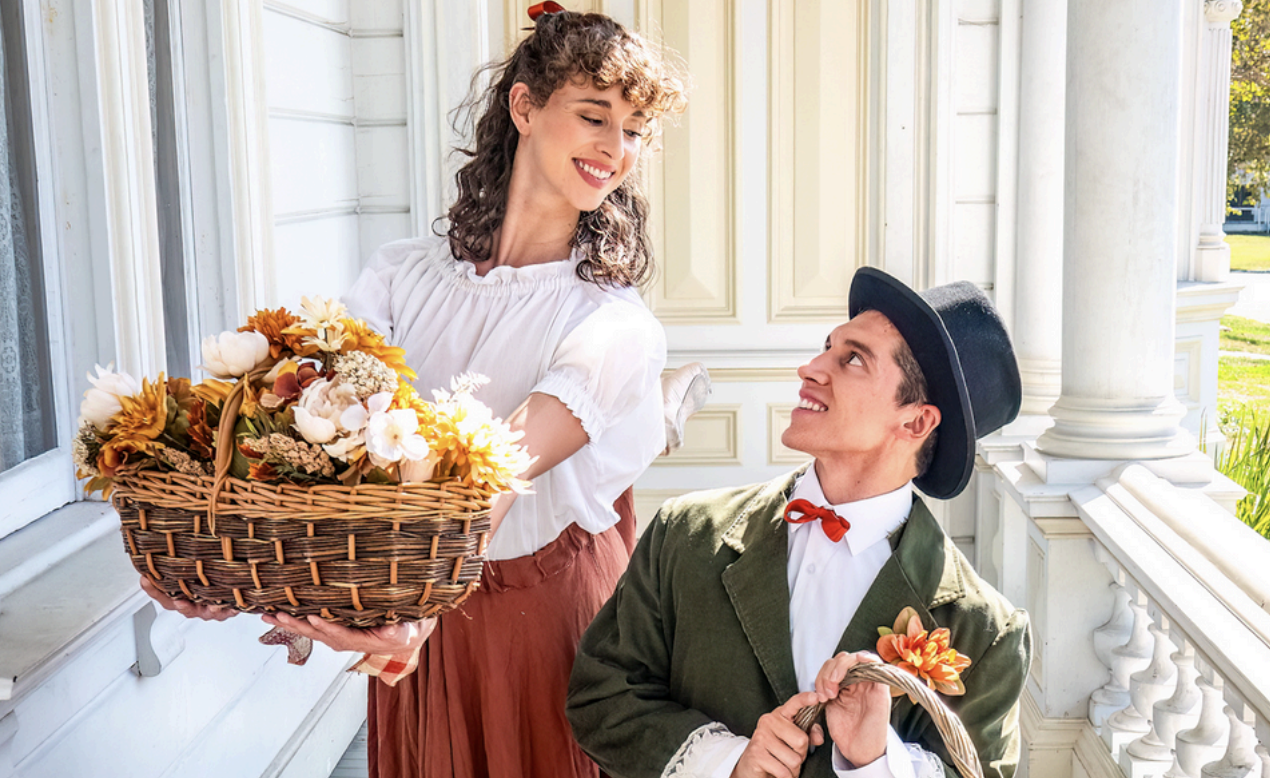
Dancer Spotlight: Meet Christopher Flores

1. Tell us a little about your dance background, how long you have been dancing, and what inspired you to pursue ballet.
I started dancing at 16 years old. I actually learned how to dance at church in our dance ministry. Then in college, I started taking ballet and fell in love with the art form. After college, I joined Nashville Ballet’s second company for a couple of years. Since then, I’ve moved back home to Los Angeles and have been freelancing with various companies.
2. What are the specific challenges of portraying your character through dance in Little Women?
The biggest challenge of portraying Laurie is the transition between getting over Jo and falling in love with Amy. It’s really important that the audience understands his sincerity and purity of heart. He’s not just a flirt—he has genuine relationships with the sisters that evolve.
3. Can you describe your favorite dance or scene in Little Women and what makes it unique to you?
My favorite dance is the pas de deux between Jo and Laurie in the Winter Immersive, in which Laurie’s feelings aren’t reciprocated by Jo. The number has such an incredible emotional arc that I believe will resonate deeply with audiences. I also love the opportunity to challenge myself artistically in performing this scene.
4. How do you approach telling a story through dance movements and expressions?
I think storytelling must come from an honest place. Even if you haven’t had the same experiences as your character—or would react differently—you need to have empathy for them. Translating that into movement means finding humanity in the choreography and understanding how each gesture helps progress the narrative.
5. Have you found similarities between yourself and the character you portray in the ballet?
Definitely. The more I dance the role of Laurie, the more I realize how similar we are. Laurie is hopeful and uninhibited, but his sensitivity ultimately helps him mature and find his path in life. I see a lot of my own growth reflected in his journey.
6. What message or emotion do you hope to convey to the audience through your performance?
I hope that in seeing Laurie’s story, audiences find hope and reassurance in their own lives—that it’s okay to experience disappointment and hurt after being vulnerable and honest, and that healing and growth are part of that process.
7. How do you work with the choreographer and fellow dancers to convey the overall narrative of Little Women through your movements?
Emma has such a clear vision in her choreography, so it’s my job to honor that vision. With the other dancers, I focus on trusting their interpretations of their characters’ stories. That mutual trust helps us create authentic and heartfelt moments on stage.
8. What do you hope the audience takes away from the production after watching your performance in Little Women?
I hope audiences are filled with joy. I hope they leave Little Women with gratitude for the people in their lives—and with hearts willing to forgive, embrace, and love deeply.
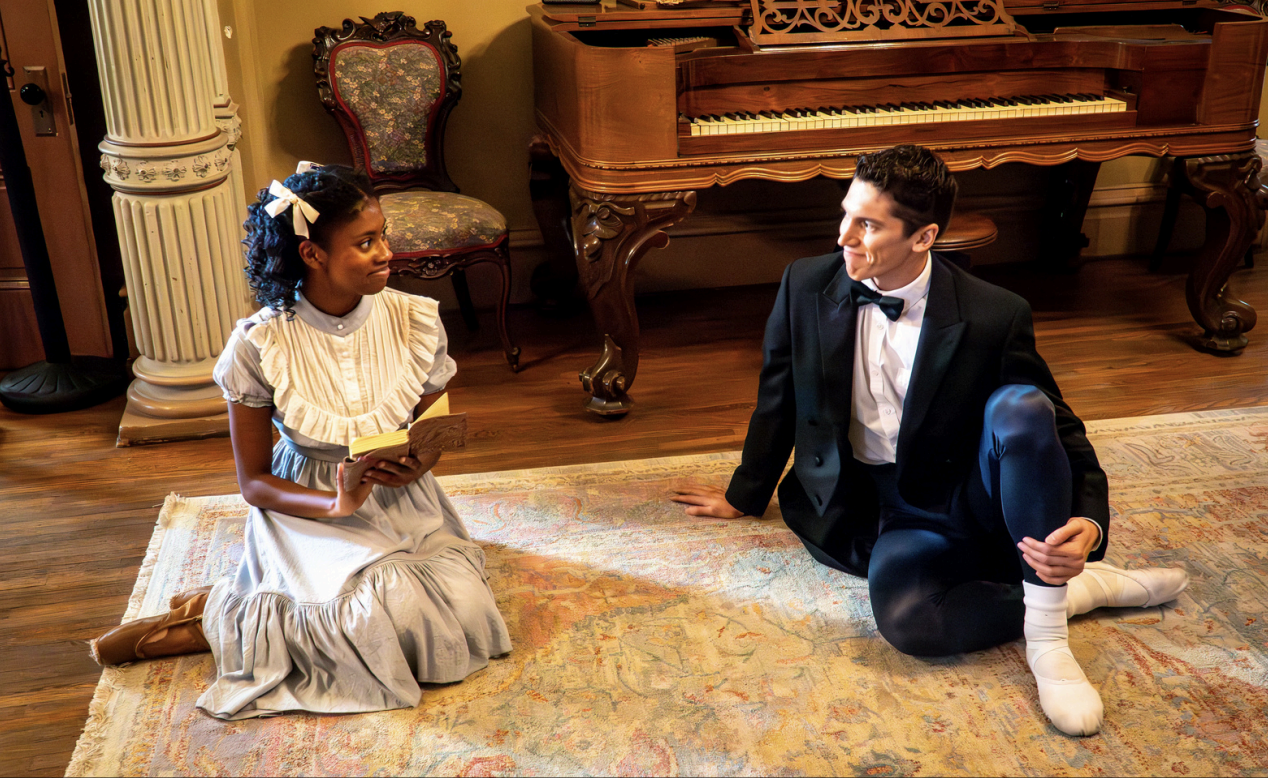
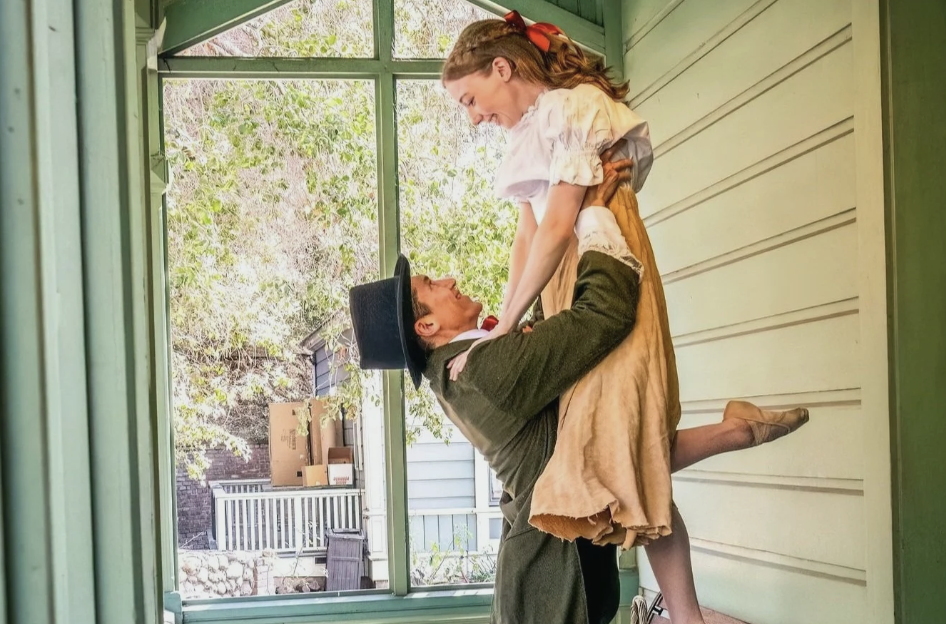
Dancer Spotlight: Meet Claire Simmons

Chris Flores and Claire Simmons for Little Women Ballet’s Autumn Immersive.
Photography by Edie Tyebkhan
1. Tell us a little about your dance background, how long you have been dancing, and what inspired you to pursue ballet?
I’ve been training in dance my whole life. I grew up performing in annual Nutcracker ballets and competing in dance competitions throughout Northern California. I continued dancing in college at UC Irvine, where I earned a degree in dance performance. Since moving to Los Angeles, I’ve danced professionally with several companies, including Universal Studios Hollywood. My favorite styles of dance are contemporary and musical theater, but ballet will always be special to me. I love that Little Women Ballet allows me the opportunity to continue performing this classical form of dance in a new way. The special emphasis on storytelling in ballet is so beautiful and makes it a joy to perform.
2. What are the specific challenges of portraying your character through dance in Little Women?
Beth March is a bit misunderstood by the public. People are quick to say she was too kind for this world, which ultimately led to her passing away so young. She was just as real as her sisters. She had her own opinions and ambitions and she experienced the full scale of emotions, even frustration. Portraying someone who always seems happy, even as her illness progresses, while there are more emotions under the surface is a challenge. I hope I can add more depth to her character.
3. Can you describe your favorite dance or scene in Little Women and what makes it unique to you?
I really enjoyed Beth and Jo’s duet in the Fall Immersive because we had to play off of each other to convey the full story. Beth and Jo were trying to comfort each other: Jo stayed by Beth’s side throughout her illness and Beth encouraged Jo not to worry about what will happen when she’s gone. Throughout the duet, there’s a battle of resistance and acceptance. My favorite part is at the end of the piece. Beth is looking up at Heaven, Jo is struggling with Beth fading away, and then, at the last second, Jo accepts the truth and gives her sister a comforting hug. It was always an emotional moment to perform.
4. How do you approach telling a story through dance movements and expressions?
I like to understand the story and research it as much as I can. I concentrated on Beth’s story from the book and saved key quotes to a photo album on my phone. When considering the performance, I first focus on what I would do as a normal person experiencing certain emotions. I like to find the natural reaction first and then consider how to best accentuate that feeling to fit the performance. Other things that helped me with this process include, watching the 2019 film and cast interviews and making a Spotify playlist for my character to tap into my emotions.
5. Have you found similarities between yourself and the character you portray in the ballet?
Yes, Beth and I do share similarities. I think we both appreciate the simple things in life, while also having a strong sense of determination to meet our goals.
6. What message or emotion do you hope to convey to the audience through your performance?
I think it’s easy for audiences to see Beth as a one-sided character, the dying sister, so I hope I can show audiences that she is so much more than that. She is as well-rounded as all the other characters.
7. How do you work with the choreographer and fellow dancers to convey the overall narrative of Little Women through your movements?
Emma is clear with intentions throughout the choreographic process. She informs her dancers of each movement’s purpose and how it relates to the overall story. Our recent rehearsal process involved a new duet between Beth and Jo. Emma choreographed it with the dancers in the room, so it really matched our natural movement quality.
8. What do you hope the audience takes away from the production after watching your performance in Little Women?
I hope they have a deeper appreciation for this classic American story. And, of course, I hope they enjoy themselves and want to come see us again.

Anna Lee Rohovec as Jo March and Claire Simmons as Beth March in Little Women Ballet's Autumn Immersive 2024. Photography by Edie Tyebkhan
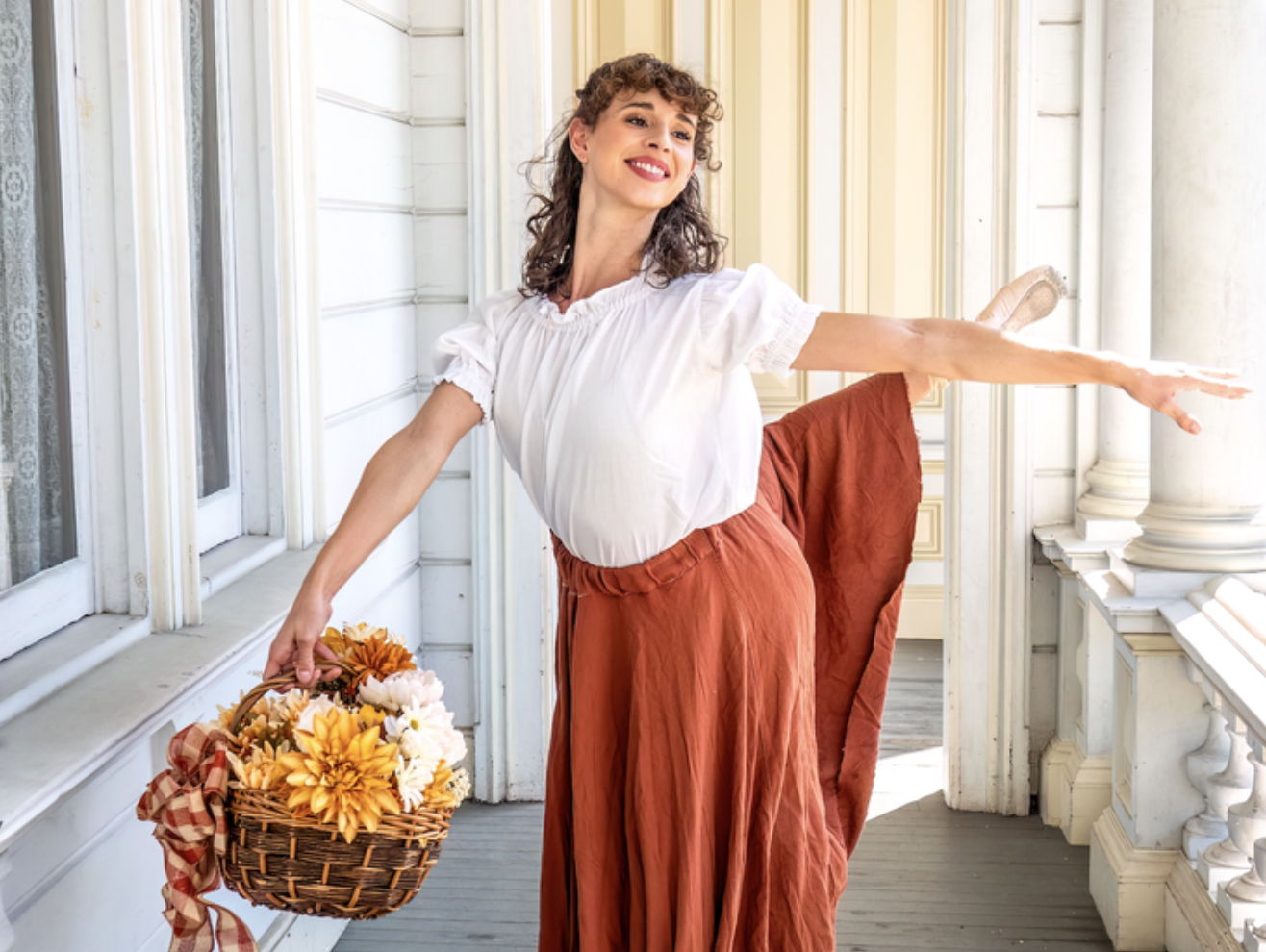
Dancer Spotlight: Meet Anna Lee Rohovec
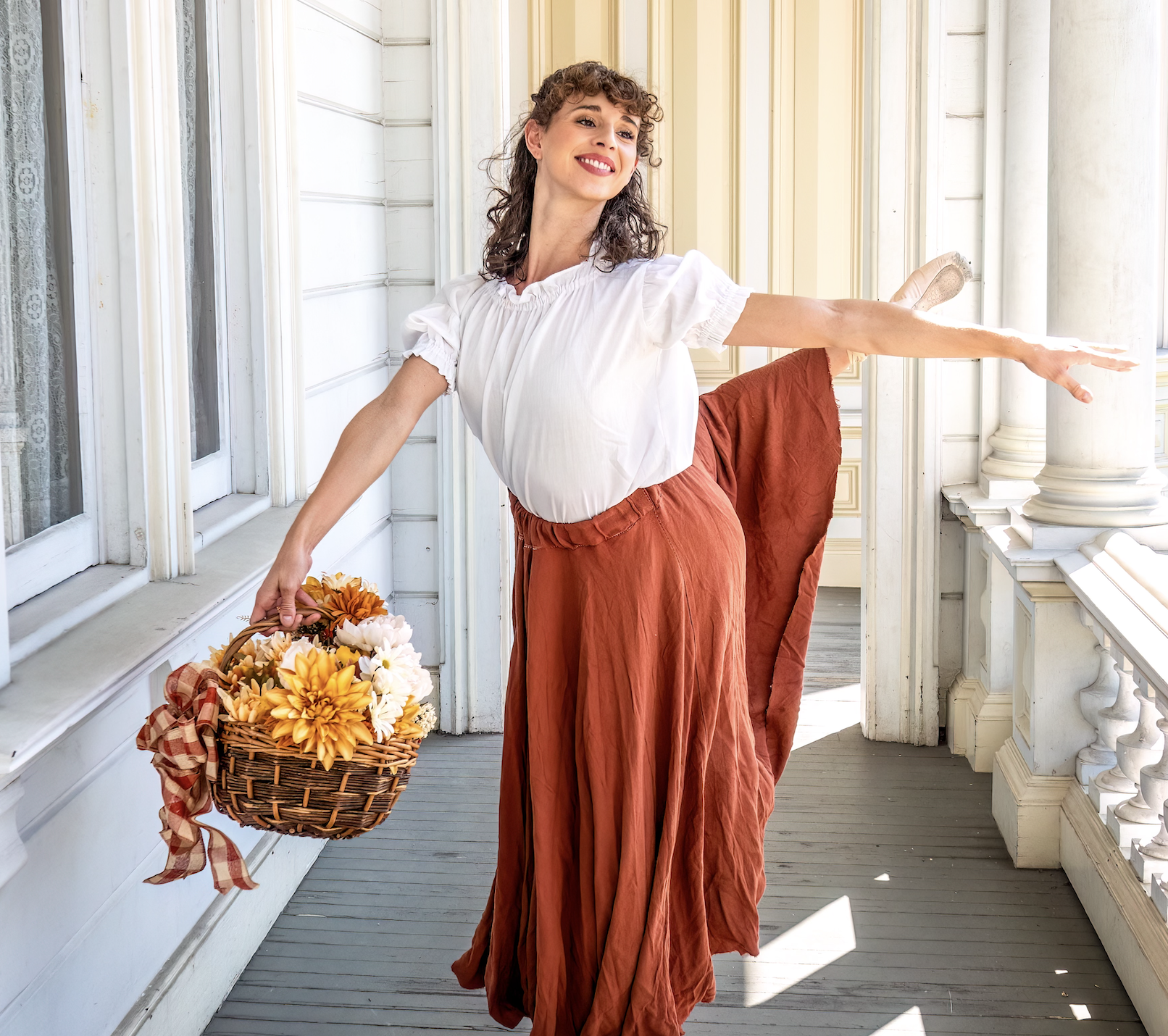
1. Tell us a little about your dance background, how long you have been dancing, and what inspired you to pursue ballet?
I have been dancing for 20 years. I had always been enchanted with ballet and decided to start pursuing dance more seriously when I auditioned for an arts high school, New Mexico School for the Arts in Santa Fe, NM. At NMSA I was able to have more rigorous training in ballet and modern dance. I continued my dance studies into college at the University of Cincinnati, where I graduated in 2022 magna cum laude with a BFA in ballet. I then spent the 2022-2023 season with State Street Ballet in Santa Barbara, California as a trainee. Since then, I’ve danced with Brockus Red Dance Co and Little Women Ballet in Los Angeles.
2. What are the specific challenges of portraying your character through dance in Little Women?
Jo’s character and personality do not always match the classical elegance of ballet. That aspect of her personality has been incorporated into the choreography however there are times where I have to really think about how Jo would move in this world of ballet that is so graceful and find the balance between Jo and ballet.
3. Can you describe your favorite dance or scene in Little Women and what makes it unique to you?
I really enjoyed dancing the finale scene in the Spring Immersive: Meg’s wedding. It was energetic and joyful in a way that I felt really captures Jo’s love for her family and friends. She also has a fun playful dance with her love interest Professor Bhaer where she is unapologetically herself.
4. How do you approach telling a story through dance movements and expressions?
I make sure that I know the story very well so that I can understand how my character fits into the overall story and understand the interactions between other characters. I really try to put myself in the mind of my character so I can be immersed in their world. In dance there are no words, you physically are the story.

5. Have you found similarities between yourself and the character you portray in the ballet?
I definitely can see myself in Jo. It is important to Jo to prove that she is just as smart, just as strong, and can do anything else that a boy can do. I have always felt this from a young age especially in situations where I was the only girl in a group.
6. What message or emotion do you hope to convey to the audience through your performance?
I hope that the audience can feel sympathy for the struggles that Jo faces in her life and find joy in her fierce loyalty to her family and friends.
7. How do you work with the choreographer and fellow dancers to convey the overall narrative of Little Women through your movements?
Emma is a very thoughtful choreographer. There is intention behind the movements she creates, and she does a wonderful job explaining those intentions to us dancers so that we can work together to make sure we are portraying the emotions and story that she is trying to tell.
8. What do you hope the audience takes away from the production after watching your performance in Little Women?
I hope that the audience can connect with Jo’s spirit. She is a very strong female character in a time when women did not have a lot of control over their lives. I feel like a lot of women and young girls relate to Jo. She is relatable and inspiring because she makes mistakes, faces challenges that lead her to question her beliefs, and manages to grow from her experiences all while staying true to who she is.

Photography by Edie Tyebkhan
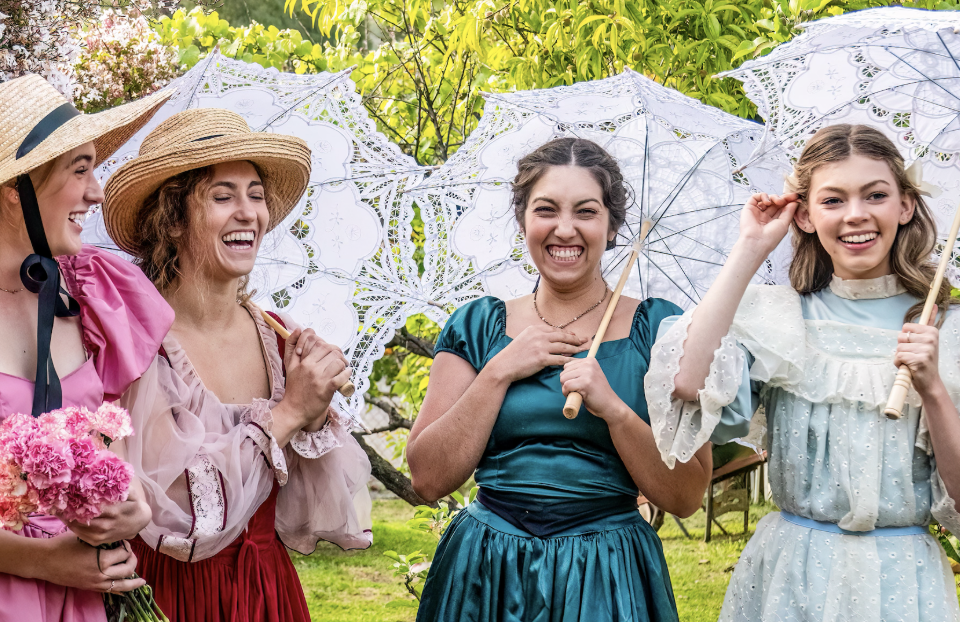
Introducing the Little Women Ballet Blog!

Welcome to our official blog, where we'll be sharing exclusive behind-the-scenes content, interviews, and insights into the world of Little Women Ballet. Join us on this artistic journey as we delve into the world of ballet and provide you with a closer look at our productions.
Stay tuned for in-depth interviews with our talented cast and crew, behind-the-scenes photo galleries, and sneak peeks into our upcoming performances. We're thrilled to have you join us on this adventure, and we can't wait to share our passion for dance and literature with you.
Welcome to our community!